Business Card Layout with Geometric: Modern Branding
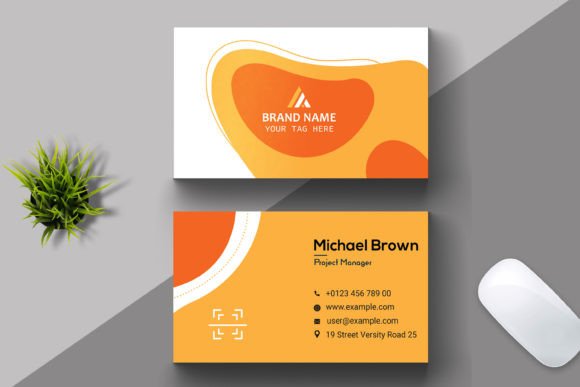
When you’re building a brand, every detail communicates something. Your business card is often the first physical touchpoint—a small canvas that carries big responsibility. A Business Card Layout with Geometric offers a crisp, contemporary foundation that feels both professional and thoughtfully designed. It’s not just about fitting contact information onto a card; it’s about presenting yourself with clarity and visual confidence.
The Visual Character: Clean Lines and Structured Appeal
Geometric layouts rely on shapes, symmetry, and measured spacing. This particular template uses those principles to create a sense of order and modern sophistication. You’ll notice balanced margins, aligned elements, and a harmonious relationship between text and whitespace. The visual personality is clean, intentional, and quietly authoritative—ideal for professionals who want their brand to feel established and detail-oriented without being overly decorative.
The geometric approach works exceptionally well for brands that value clarity and forward-thinking aesthetics. It’s versatile enough for a minimalist tech startup, yet structured enough for a financial consultant or architectural firm. The layout’s strength lies in its ability to adapt to different industries while maintaining a consistent sense of professionalism.
Where This Template Shines: Practical Applications
Because it’s designed as a multipurpose asset, this Business Card Layout with Geometric fits seamlessly into various projects. Entrepreneurs launching a new venture can use it to make a polished first impression. Freelancers and consultants will appreciate its professional tone during client meetings and networking events. It’s also well-suited for corporate teams looking for a unified, brand-aligned identity system across departments.
Beyond traditional business cards, consider how this template supports broader brand identity work. The clean geometric framework makes it easy to extend the design language to letterheads, presentation folders, or social media profile graphics. If you’re developing a brand style guide, starting with a strong, geometric card layout helps establish visual consistency from the very beginning.
Design Influence: How Layout Shapes Perception
A well-organized layout does more than look good—it guides the viewer’s eye and reinforces your message. With geometric structures, visual hierarchy becomes intuitive. Your name and title naturally command attention, while contact details are grouped logically. This reduces cognitive load for the recipient, making it easier for them to find what they need and remember you.
Consistency is another key benefit. When your business card shares the same geometric language as your website, email signature, or marketing materials, it builds brand recognition. People start to associate that structured, clean aesthetic with your business, which fosters trust and professionalism over time.
Making It Your Own: Customization and Practical Tips
One of the standout features of this template is its flexibility. It’s 100% editable and comes organized with well-labeled layers, whether you’re working in Illustrator, Photoshop, or Canva. This means you can easily adjust colors to match your brand palette, swap fonts if you prefer a different typeface, or reposition elements to suit your content needs.
When customizing, keep a few practical considerations in mind:
- Readability first: Choose font sizes that remain legible at standard business card dimensions. Avoid overly decorative fonts for essential contact information.
- Whitespace is your friend: Resist the urge to fill every corner. The geometric layout’s breathing room is part of its appeal and effectiveness.
- Color with purpose: The included CMYK color scheme is print-ready, but ensure your chosen colors have sufficient contrast for both screen and print viewing.
If you’re new to design software, the included help documentation and font links make the process approachable. Canva users, in particular, will find the template straightforward to personalize without needing advanced design skills. Just open the template, replace the placeholder content with your details, and download your print-ready file.
Choosing the Right Fit for Your Project
Before committing to any template, it’s worth evaluating whether its style aligns with your brand’s personality. Ask yourself: Does this geometric, structured feel match how I want my business to be perceived? If your brand leans toward organic, playful, or highly artistic aesthetics, you might explore other options. But if you value clarity, modernity, and a sense of refined order, this layout is a strong candidate.
Consider how the design will work with your existing brand assets. If you already use a sans serif font in your logo or marketing materials, this geometric template will likely integrate smoothly. It also pairs well with both serif and sans serif typefaces, giving you flexibility in creating a cohesive typographic system across your brand touchpoints.
Beyond the Business Card: Extending the Design Language
Think of your business card as the starting point for a visual system. The geometric principles used here can inform the design of your website headers, email newsletters, product packaging, or even event invitations. By maintaining consistent spacing, alignment, and shape language across these materials, you create a recognizable brand experience that feels unified and professional.
For content creators and publishers, this structured approach translates well to editorial layouts, media kits, or promotional graphics. The same geometric balance that makes a business card effective can bring clarity to a complex infographic or a social media carousel. It’s about applying a reliable visual framework to different contexts without losing cohesion.
Ultimately, a Business Card Layout with Geometric offers more than just a template—it provides a design system that supports your brand’s growth. Whether you’re printing your first cards or refreshing an existing identity, starting with a clean, adaptable foundation ensures your materials will remain effective and relevant as your business evolves.